Key Takeaways
- Annual updates may give handheld PCs a greater shot at operating the newest video games.
- On the similar time, there might not be sufficient of a market, they usually may splinter developer help.
- Chipmakers may not be as much as the problem, both.
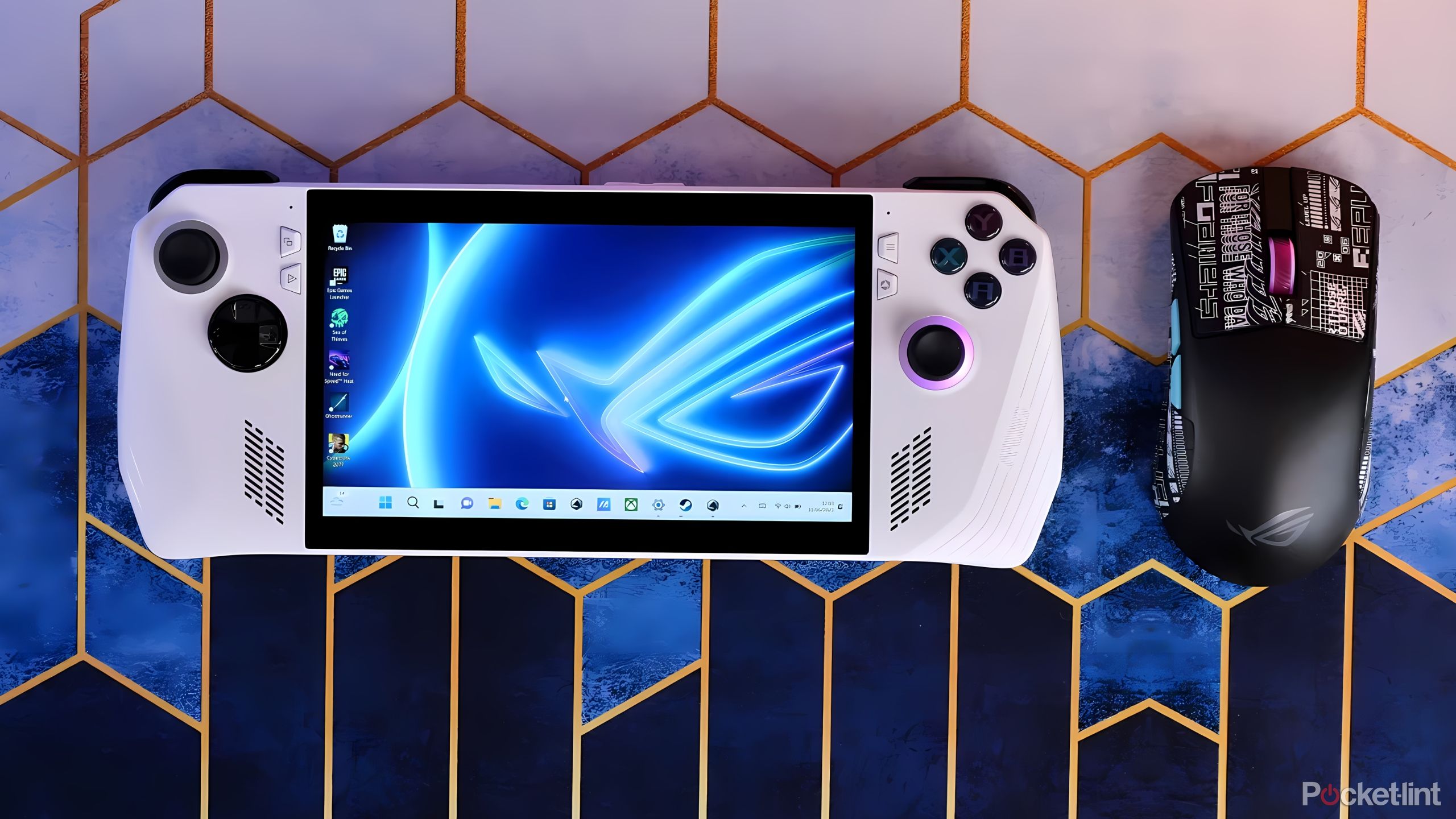
Even Valve could also be slightly shocked by the recognition of the Steam Deck. It is now virtually synonymous with handheld gaming PCs, although that hasn’t stopped rivals from coming into the fray, such because the ASUS ROG Ally and MSI Claw. Due to a burgeoning business, Microsoft is engaged on a local handheld interface for Home windows/Xbox that ought to simplify the expertise.
One concern, although, has been comparatively static specs. Whereas ASUS and Valve have already shipped half-step updates, the corporate has stored the identical underlying processors, and it appears few handheld makers are dedicated to annual efficiency boosts. That is the norm with devoted sport consoles — however not so with desktop and laptop computer PCs, which have a tendency to learn from the newest CPU and GPU developments.
Ought to handheld gaming PCs be up to date yearly? It is not the worst concept, however I am leaning in the direction of no.
Associated
Steam Deck OLED: What’s new and should you upgrade?
Ought to you concentrate on shopping for Valve’s new Steam Deck with its new processor and show?
 The case for annual updates
Earlier than we get to the counterargument, there’s an apparent motive for wanting a speedy turnaround: the video games we play. Builders like to take advantage of new graphics expertise each time doable, seizing the aggressive edge. The result’s that we get video games with more and more demanding textures, polygon counts, and lighting results. A desktop PC that was speedy three or 4 years in the past could already be too sluggish to run the newest 3D video games at most element.
That pressure is much more evident on the Steam Deck. The hand-held, which launched in 2022, can battle with titles like Elden Ring and Cyberpunk 2077 — the latter relationship again to 2020. Certainly the Deck is normally finest with 2D video games like platformers, or 3D indies that deliberately maintain element low.
Gadgets just like the ROG Ally X could also be quicker, however they’re nonetheless no match for a desktop PC geared up with one in every of AMD or Nvidia’s newest GPUs. With out annual updates, that efficiency hole is simply going to widen, and there are many video games which can be off-limits for handhelds already — there is not any method you are going to play Half-Life: Alyx or Microsoft Flight Simulator on a Steam Deck, regardless of when you’ve got the mandatory peripherals.
 The case towards annual updates
There are a number of issues with chasing annual updates, one in every of them being developer help, considerably sarcastically. Handheld PCs are such a brand new class that (comparatively) few video games are even optimized for them, though they do not at all times must be for them to work. By optimization, I imply efficiency tweaks and supporting gamepad-only controls.
When video games are optimized, it is typically post-launch and particularly for the Steam Deck. If we wish handheld PCs to increase and compete with consoles just like the Nintendo Switch, players ought to be capable to rely on a big suitable sport library — a troublesome ask for builders if the goalposts are shifting yearly. Nevertheless outdated the Change could also be, it a minimum of affords a identified amount that lets studios deal with gameplay, somewhat than getting one thing to be playable in any respect.
There might not be sufficient of a market to help annual updates.
The best concern might be interesting to shoppers, since there might not be sufficient of a market to help annual updates. Handhelds are so much cheaper than most desktop and laptop computer gaming PCs, but that additionally places them within the crosshairs of the common shopper, who — in contrast to hardcore players — could resist the stress to spend $500 or extra each couple of years to remain present. The prospect of frequent, costly upgrades may flip some individuals off of handheld PCs solely. Why not get a Switch 2 as an alternative, one thing more likely to final a few years for much less cash? Or stick with cellphone gaming?
All of this assumes chipmakers can sustain with an annual schedule. Handheld PCs are depending on compact system-on-chip (SoC) processors by AMD and Intel, and it stays to be seen how keen and in a position these corporations are to ship designs like clockwork. Handheld makers could have even stricter timetables than different PC distributors, since they should know the precise dimensions and energy draw of any SoC. There is not sufficient area or battery capability to swap chips at will.
 What are the probabilities of handhelds going annual?
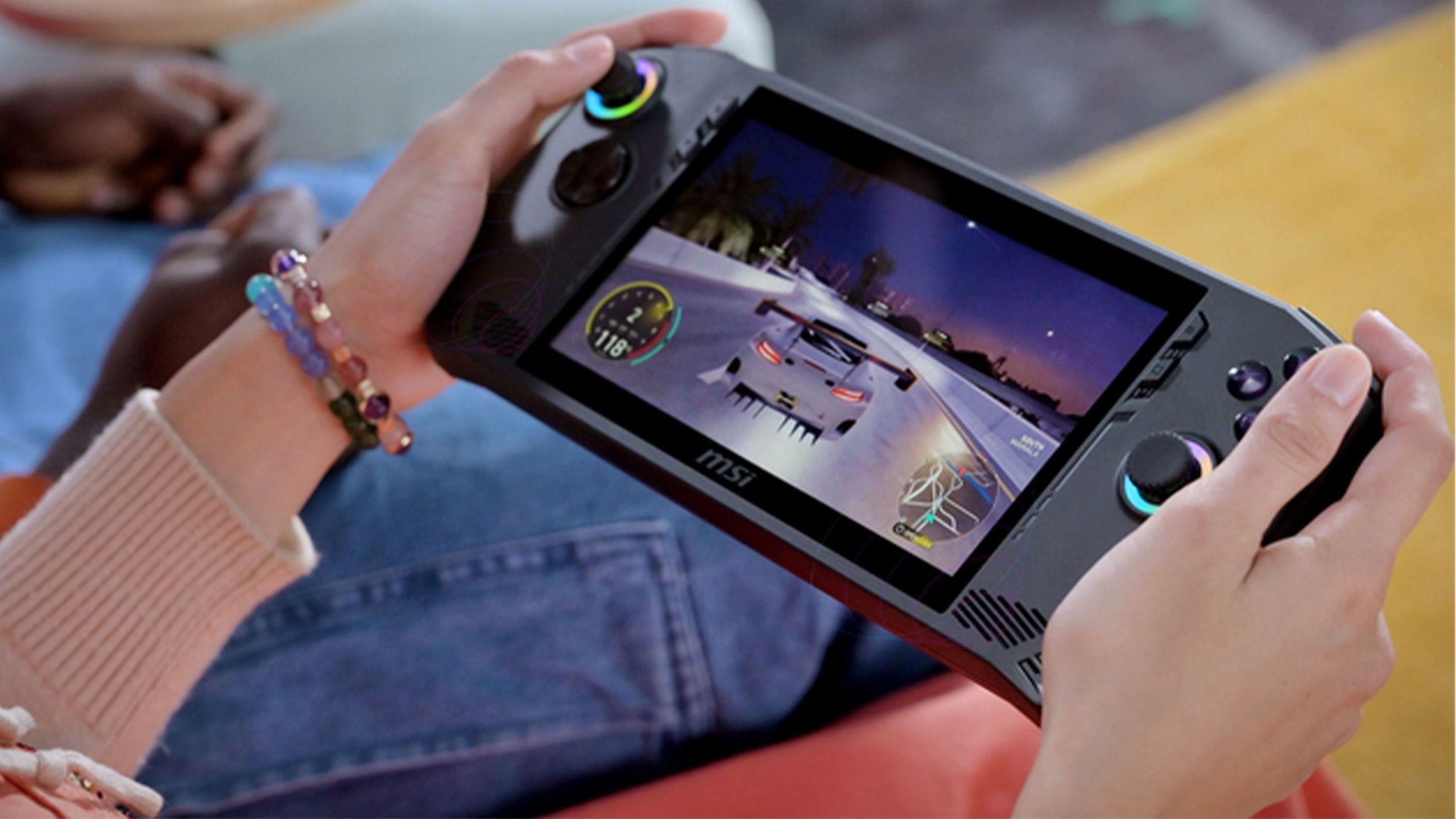
If it occurs, it’s going to be in the long run. Whereas MSI is already planning merchandise as far out because the Claw 4, Valve has stated {that a} true Steam Deck 2 will not ship till a minimum of 2025, if not later. A ROG Ally 2 may take simply as lengthy. We’ve not even talked about Lenovo, which has solely confirmed {that a} second-generation Legion Go is coming finally.
I do not suppose we’ll see handhelds shift to an annual cycle until they turn out to be so fashionable and helpful that they begin to disrupt gross sales of different units, like consoles and laptops. At that time, it would make sense from a enterprise perspective — somebody wanting a handheld as a do-it-all gadget might have cutting-edge specs, not simply lust after them. We’ll have to attend and see if the business evolves that method, or if the enchantment will perpetually be restricted to diehard players.

Associated
The best games of 2024 … so far
2024 is much from over however we have already had some banger releases. These are the very best I’ve performed to this point.
Trending Merchandise